Main image: Magda Ehlers, Pexels.
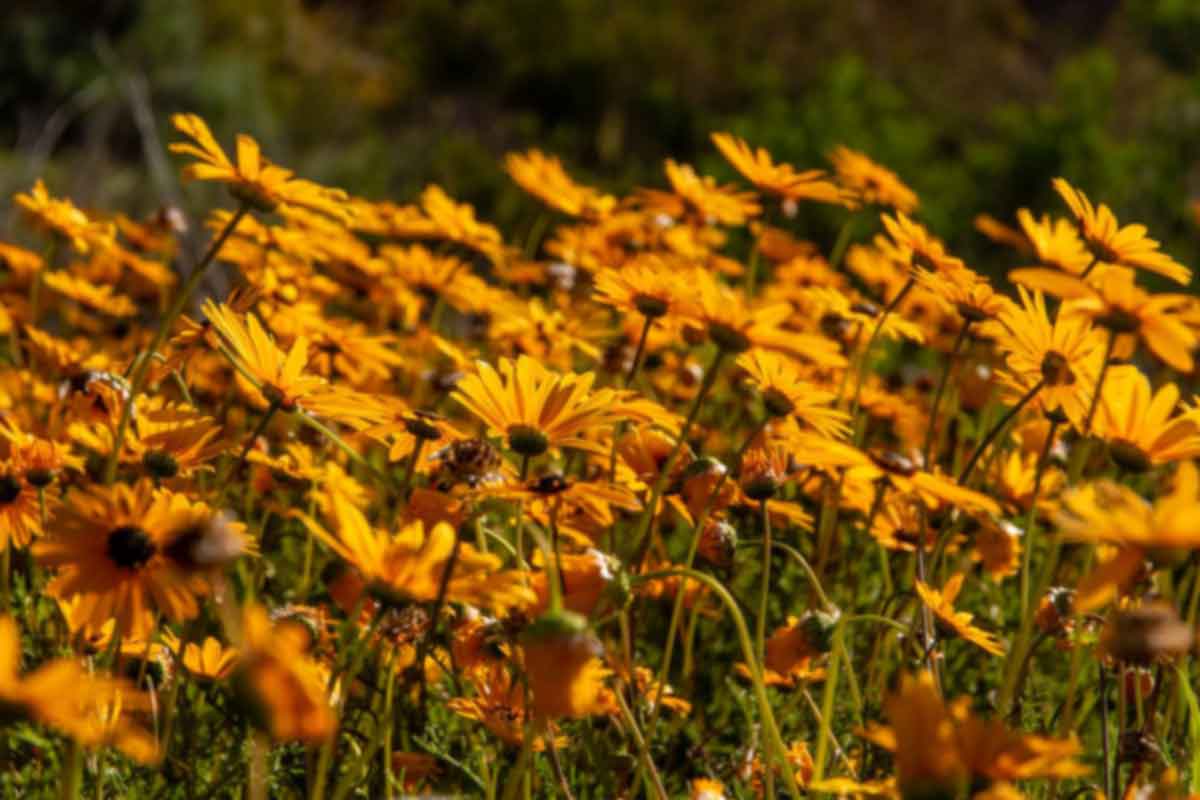
Every year, usually between late July and early September, South Africa’s Namaqualand undergoes one of nature’s most remarkable transformations. This arid landscape bursts into bloom after the winter rains, creating vast wildflower carpets. It’s a breathtaking spectacle that draws photographers, road trippers and flower enthusiasts from around the world.
In some parts of the country, such as the Biedouw Valley, flowers began as early as the end of June. Early winter rain and the perfect conditions brought this on. It is important to remember that nature is unpredictable. Continual rain throughout winter can extend the season, but temperatures and wind can also make a difference.
If you’re planning a flower-hunting adventure this season, browse this guide packed with travel tips and advice. We’ll share regular flower updates throughout the season, so follow Never-ending Nature on Facebook. For even more sightings and beautiful community photos, join the Wildflowers in South Africa Facebook group.
And don’t forget your camera! Whether you’re photographing the blooms with a DSLR, a mirrorless camera, or a smartphone, you’ll want to be ready when the flowers put on a show. If you need memory cards, cleaning kits or other photography accessories, you can support Never-ending Nature by shopping through our CameraStuff affiliate link. Before you head out, have a look at our flower photography tips to help you capture the colours at their very best.
Weekly flower update from Namaqua National Park: 10-16 August
The flower season is below average, and it seems it will remain so because no rain is forecast for the foreseeable future.
The few flower patches in and around the Skilpad Rest camp are limited. The Namaqua daisy is dominant, but the colour and height are not the same as in previous years. Other species that can be found, also limited, are the Varkiesknol, Viooltjies and Blousporrie. The Skaapbos is also still featuring a little. On the circular route, the flowers are also very sparse, with the Katsterte a little dominant at Katstertvlei.
Flowers at the Groenrivier coastal section are the Langbeenvygies and Volstruisvygies. Some Botterblom species can be found around Varswater and Jaar se Baai. There are still some Gousblom visible from the Hondeklipbaai gate southwards.
The earth is still very dry, and the temperature is relatively cold, with maximum temperatures in the low to mid-teens up to Thursday. The temperature should be at least 18 degrees for the flowers to open fully. The windy conditions experienced early mornings also impact the flowers negatively.
Weather forecast for the next 7 days:
| Date | Temperature (degrees) | Rain |
| 10/08/2026 | 10 | 0 |
| 11/08/2026 | 17 | 0 |
| 12/08/2026 | 19 | 0 |
| 13/08/2026 | 24 | 0 |
| 14/08/2026 | 26 | 0 |
| 15/08/2026 | 27 | 0 |
| 16/08/2026 | 25 | 0 |
Weekly flower update from Namaqua National Park: 3 August
The area experienced moderate wind in the last week.
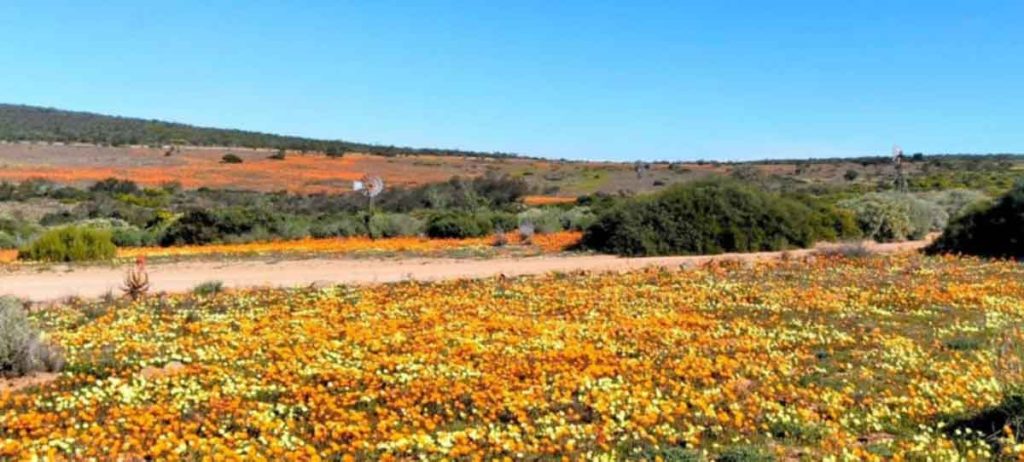
The flowers at the Skilpad section are in bloom, but the displays are still very patchy. We are hoping for spectacular carpets of flowers in the coming weeks, with conditions largely depending on the weather. The forecast for the rest of the week is mostly sunny, with a chance of light showers, which should be favourable for continued flowering.
A variety of plant species are already in bloom. The 5km circular route and other areas around Skilpad remain patchy, but visitors can still enjoy several flowering species. The dominant daisy species currently on display are the Glansooggousblom, followed by the Namaqualand daisy.
Other flowers to see: Varkiesknol, suring (white and yellow), dubbele gousblom, bitter gousblom, skaapbos, blousporrie, viooltjies, katstert, and duikerwortel.
Along the coastal section of the park, vygies and daisies provide colourful displays.
Weather forecast for the next 7 days:
| Date | Temperature (degrees) | Rain |
| 03/08/2026 | 30 | 0 |
| 04/08/2026 | 25 | 0 |
| 05/08/2026 | 18 | 0 |
| 06/08/2026 | 20 | 0 |
| 07/08/2026 | 18 | 0 |
| 08/08/2026 | 16 | 0 |
| 09/08/2026 | 14 | 0 |
Weekly flower update from Namaqua National Park: 27 July
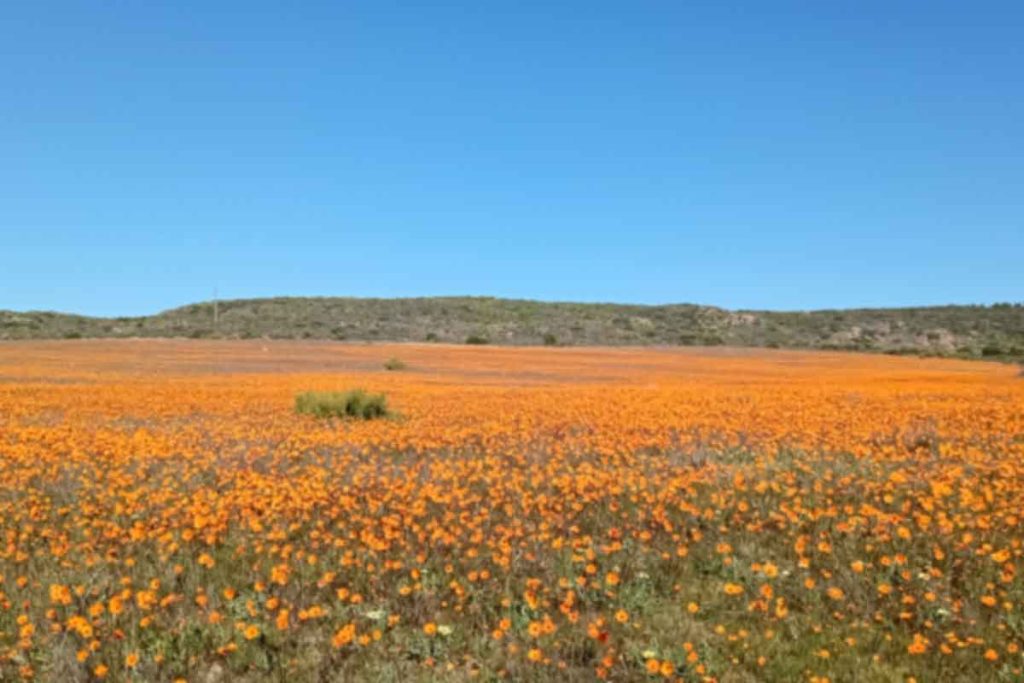
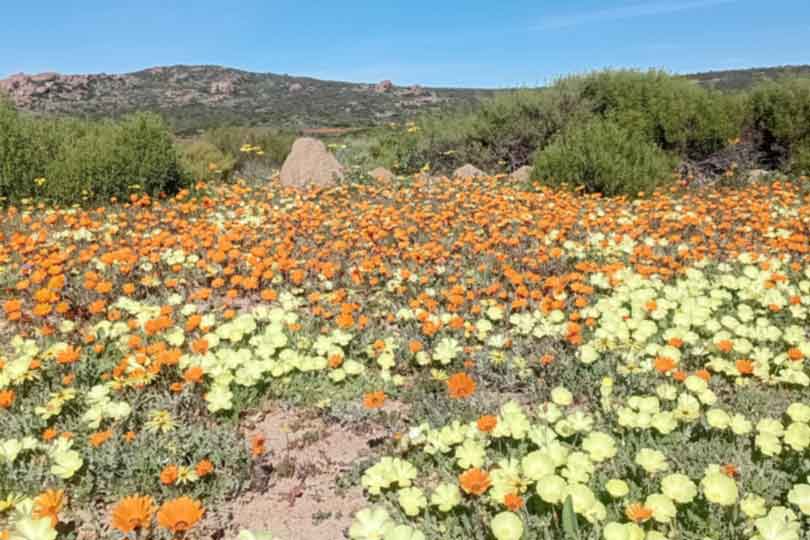
The annual flower display is already underway, offering visitors an exciting glimpse of the spectacular season to come. Early winter rains, combined with consistently cool temperatures and intermittent sunshine, have triggered the first wave of wildflowers across the region. These conditions have created the perfect environment for dormant seeds to germinate and begin their colourful display.
Although the flowering remains patchy, it is a clear sign that the season is gathering momentum. While some areas are only just awakening, others are already awash with colour. If favourable weather continues, visitors can expect the landscape to become increasingly vibrant over the coming weeks as millions more blooms emerge.
Among the standout species currently in flower are the Namaqualand arctotis (Arctotis hirsuta), known locally as bittergousblom; the Namaqua parachute daisy (Ursinia cakilefolia), or bergmagriet; and the Cape marigold (Dimorphotheca sinuata), often called soetgousblom. Visitors may also encounter Namaqualand daisies (Dimorphotheca pluvialis), Sambreeltjies, Bokbaaivygies, Glansogies, blue and white sporries, Wit-soe, various oxalis species (Suurrings), Duikerwortel and several colourful vygie species.
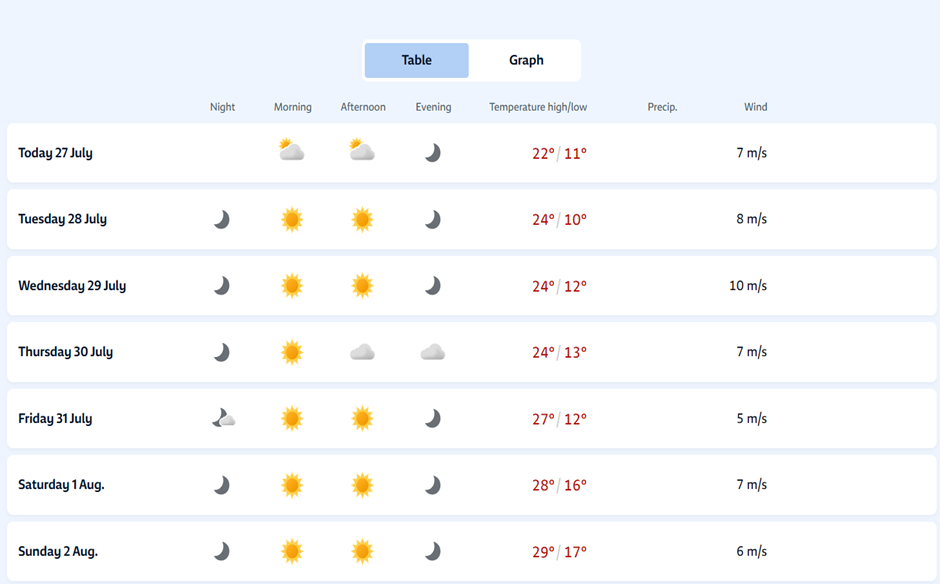
Weekly weather update:
We can stay wild together. Join the Never-ending Nature social tribe Facebook, Instagram and X for daily doses of wilderness, wonder, and wildlife oddities.
Love stories like this one?
See more of our content under our latest posts, including our competition post. You can also join others like you by subscribing to our newsletter.
Share our Namaqua 2026 flower updates on social media, or leave a comment below.
Copyright 2026 Never-ending Nature. All rights reserved. You may not republish or rewrite this article without permission.